Roof Leak Repair in Manhattan: Common Causes & Prevention Tips
A roof leak in Manhattan can start with a small crack, damaged flashing, clogged drain, deteriorated membrane, or failed seal around a rooftop penetration. If the problem is not addressed quickly, water can move through roofing layers and eventually damage ceilings, walls, insulation, masonry, and interior finishes.
For Manhattan property owners, professional roof leak repair begins with finding the actual source of water intrusion. The location of an interior water stain is not always the location where water entered the roof. On flat and low-slope roofs, water can travel beneath the roofing system before becoming visible inside the building.
What Is the Most Common Cause of Roof Leaks in Manhattan?
The most common causes of roof leaks include deteriorated roofing materials, damaged flashing, clogged roof drains, open seams, roof penetrations, ponding water, storm damage, and deteriorated roof-to-wall connections.
Manhattan buildings can have particularly complex roofing conditions because many properties include flat roofs, parapets, rooftop mechanical equipment, masonry walls, skylights, vents, and multiple roof penetrations. Each transition creates another area that should be inspected when investigating a leak.
Common Causes of Roof Leaks in Manhattan
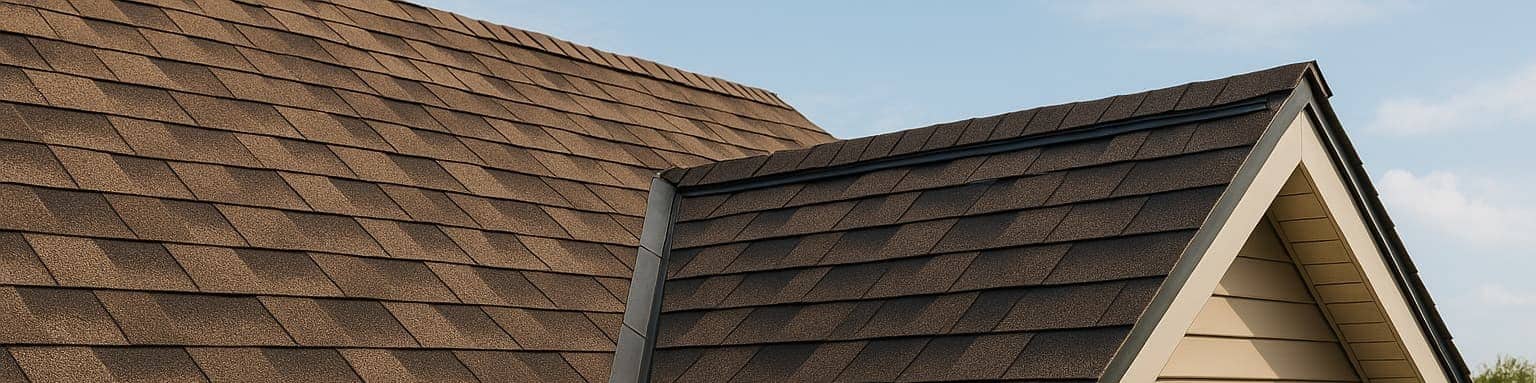
1. Aging Roofing Materials Roofing materials gradually deteriorate because of ultraviolet exposure, rain, snow, wind, temperature changes, and repeated freeze-thaw cycles. Older roofing membranes may become brittle or develop cracks, punctures, blisters, open seams, or other defects. Asphalt shingles can lose protective granules, curl, crack, or become damaged. We inspect the overall condition of the roofing system rather than focusing only on the location where water becomes visible.
2. Damaged Roof Flashing Roof flashing protects vulnerable transitions around chimneys, parapet walls, skylights, vents, HVAC equipment, roof edges, and other penetrations. Flashing can loosen, corrode, crack, or separate from surrounding materials. When that happens, rainwater can enter behind the flashing and travel into the building. Replacing or repairing damaged flashing may be necessary when the flashing itself is responsible for water intrusion.
3. Clogged Roof Drains and Scuppers Proper drainage is essential for Manhattan flat roofs. Leaves, dirt, debris, and other materials can restrict roof drains and scuppers. When water cannot drain properly, it may remain on the roof surface for extended periods. Ponding water should not be ignored. Persistent standing water can contribute to roofing deterioration and may indicate a drainage or roof-slope problem. We recommend inspecting drainage points regularly and keeping them free from debris.
4. Cracked or Open Roofing Seams Many flat roofing systems depend on properly sealed seams. As a roof ages, seams can deteriorate or become separated. A small opening can allow water beneath the membrane. Once moisture enters the roofing assembly, it may travel before appearing as an interior leak. The appropriate repair depends on the roofing material, location, extent of damage, and condition of the surrounding roof.
5. Roof Penetrations Rooftops commonly contain vents, pipes, HVAC equipment, skylights, antennas, and other penetrations. Every penetration must be properly flashed and sealed. Deteriorated seals or flashing around these components can become a source of water intrusion. During a roof leak inspection, we examine these areas carefully instead of assuming that the visible ceiling stain corresponds directly with the roof penetration above it.
6. Storm and Wind Damage Heavy rain, strong winds, snow, and other severe weather can expose existing weaknesses or create new roofing damage. After a major storm, property owners should look for missing or damaged roofing materials, loose flashing, open seams, punctures, damaged roof edges, clogged drainage systems, new ponding water, and damaged rooftop equipment connections. A professional inspection can help identify problems before they develop into larger leaks.
7. Roof-to-Wall and Masonry Problems Not every roof leak originates in the roofing membrane. Water can enter through deteriorated masonry, cracked mortar joints, parapets, coping, wall flashing, and roof-to-wall transitions. This is especially important on older NYC buildings where roofing and masonry systems are closely connected. A proper diagnosis should consider both the roofing system and adjacent building components.
How Do We Find a Roof Leak in a Manhattan Building?
Finding a roof leak requires more than looking directly above an interior water stain. We examine the roof surface and trace potential paths of water intrusion.
Depending on the property, the inspection may include: roof membrane or shingle condition; flashing and counterflashing; roof seams; drains and scuppers; parapet walls; roof-to-wall transitions; skylights; vents and pipes; HVAC penetrations; roof edges and coping; areas of ponding water; and interior signs of moisture intrusion.
The goal is to identify the water-entry point and the damaged component, not simply treat the visible symptom.
Signs You May Need Roof Leak Repair
A roof leak does not always begin with obvious dripping. Common warning signs include water stains on ceilings, damp walls, peeling or bubbling paint, damaged drywall, musty odors, mold or mildew, damp insulation, water around skylights, recurring ceiling stains, standing water on a flat roof, damaged flashing, cracked roofing materials, and open or deteriorated seams.
If an interior stain repeatedly appears after rainfall, the underlying roofing problem should be investigated even if the ceiling becomes dry afterward.
Can a Small Roof Leak Cause Major Damage?
Yes. A small opening in a roofing system can allow water to reach insulation, wood, drywall, masonry, and other building components. The visible damage may initially appear minor while moisture is accumulating in concealed areas.
Prompt roof leak repair can help limit the spread of water damage and prevent a localized roofing problem from becoming a larger building-maintenance issue.
Flat Roof Leak Repair in Manhattan
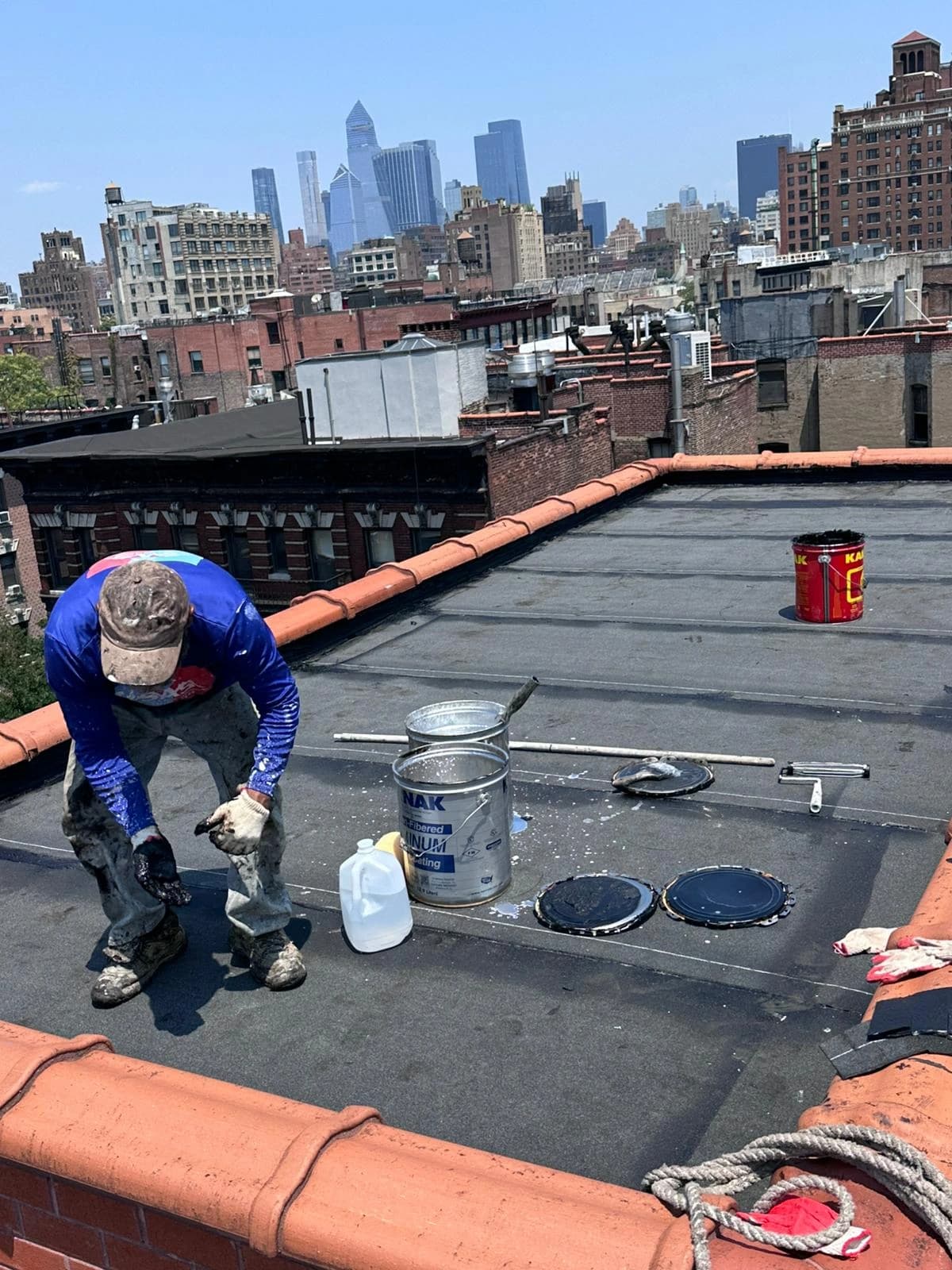
Flat and low-slope roofs require specialized attention because water does not drain in the same way it does from steeply pitched roofs. Common flat-roof problems include membrane deterioration, open seams, punctures, blisters, ponding water, drainage problems, flashing failure, deteriorated roof edges, and damaged penetrations.
For flat roof leak repair in Manhattan, we evaluate the damaged area and surrounding roofing system to determine whether localized repair, membrane restoration, waterproofing, or more extensive roofing work is appropriate.
Emergency Roof Leak Repair in Manhattan
A roof leak that occurs during or immediately after severe weather can require prompt attention. Emergency roofing situations may include active water intrusion, significant storm damage, damaged roof membranes, major flashing failures, or water entering occupied areas of a building.
If water is entering the property, occupants should avoid electrical hazards and protect valuable interior areas where it is safe to do so. The roof should then be professionally assessed to determine the source and extent of the problem.
How to Prevent Roof Leaks in Manhattan
Regular maintenance can help identify roofing problems before they become major leaks.
Schedule Regular Roof Inspections: Professional inspections can identify deteriorating materials, damaged flashing, drainage problems, and vulnerable roof penetrations.
Keep Roof Drains Clear: Drainage systems should remain free of leaves, dirt, and debris. Blocked drainage can contribute to standing water and accelerated roof deterioration.
Inspect Flashing: Flashing around walls, vents, skylights, chimneys, and rooftop equipment should be checked for separation, corrosion, cracks, and deterioration.
Address Minor Damage Promptly: Small punctures, cracks, and open seams can become larger problems when exposed repeatedly to rain, snow, and temperature changes.
Inspect the Roof After Major Storms: Storm inspections can identify damage that may not be visible from inside the property.
Maintain Rooftop Equipment: HVAC units, vents, pipes, and other rooftop equipment should be properly maintained because their connections can become potential sources of water intrusion.
Roof Repair vs. Roof Replacement: Which Is Necessary?
Not every roof leak requires complete roof replacement. A localized repair may be appropriate when the surrounding roofing system remains in good condition. A larger roofing project may be considered when deterioration is widespread, leaks repeatedly occur in multiple locations, or the roofing system has reached the end of its practical service life.
We evaluate factors such as roof age, roofing material, extent of damage, previous repairs, drainage conditions, membrane condition, flashing condition, frequency of leaks, and overall roof performance. A professional inspection helps determine whether repair or broader roof rehabilitation is appropriate.
Roof Leak Repair for Manhattan Homes and Commercial Buildings
Manhattan includes a wide range of properties, from residential buildings, apartment properties, and commercial buildings to older structures with complex roof designs. Each property can have different roofing materials, drainage configurations, rooftop equipment, masonry conditions, and previous repairs.
For that reason, we approach based on the actual condition of the property rather than applying the same repair method to every building.
Why Choose SAS Roofing & Waterproofing for NYC Roofing?
SAS Roofing & Waterproofing provides roofing and waterproofing services for properties throughout New York City, including Manhattan, Brooklyn, Queens, and The Bronx.
Our services include roofing repairs, flat roofing, roof inspections, waterproofing, and related building-envelope services. We focus on identifying sources of water intrusion and addressing vulnerable areas of the roofing system.
For Manhattan property owners dealing with roof leaks, recurring water stains, damaged flashing, ponding water, or other roofing concerns, professional inspection and timely repair can help protect the building from further moisture intrusion.
Frequently Asked Questions About Roof Leak Repair in Manhattan
How quickly should a roof leak be repaired?
A roof leak should be investigated as soon as possible. Continuing water intrusion can increase damage to roofing materials and interior building components.
What causes a roof to leak after heavy rain?
Common causes include damaged membranes, open seams, failed flashing, clogged drains, roof penetrations, deteriorated masonry, and drainage problems.
Can a roof leak be repaired without replacing the entire roof?
Yes. If the problem is localized and the surrounding roofing system remains serviceable, a targeted repair may be possible. The appropriate solution depends on the roof's condition.
How do I know if water is coming from the roof?
Recurring ceiling stains, damp areas, dripping after rainfall, water around rooftop penetrations, and visible roof deterioration can indicate a roofing problem. Professional inspection is needed to confirm the source.
Are flat roofs more difficult to repair?
Flat roofs require careful evaluation because water can travel beneath roofing materials and because drainage plays an important role in roof performance. Repair methods depend on the roofing system and damage.
How can I prevent roof leaks?
Regular roof inspections, clear drainage systems, maintained flashing, properly sealed penetrations, prompt repairs, and post-storm inspections can help reduce the risk of roof leaks.
When should a Manhattan roof be replaced instead of repaired?
Replacement may be considered when deterioration is widespread, repairs are repeatedly required, or the roofing system is no longer performing effectively. A professional assessment can help determine the appropriate approach.
Does waterproofing help prevent roof leaks?
Proper waterproofing can help protect vulnerable building areas from moisture intrusion. The appropriate waterproofing method depends on the building component and source of water.
Protect Your Manhattan Property From Roof Leaks
Roof leaks can develop from seemingly minor defects, but timely inspection and maintenance can help prevent water intrusion from becoming a larger building problem.
Whether the issue involves a flat roof, flashing, drainage system, roof penetration, membrane, parapet, or roof-to-wall connection, identifying the actual source is the first step toward an effective solution.
For roof leak repair in Manhattan, NYC roofing, flat roof repair, waterproofing, and roof inspections, SAS Roofing & Waterproofing serves properties throughout Manhattan and the surrounding New York City boroughs.
Contact SAS Roofing & Waterproofing to schedule a professional roofing assessment and discuss the appropriate solution for your property.